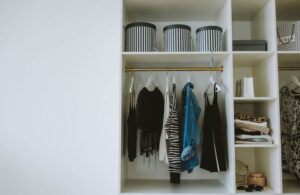
A capsule wardrobe is a small collection of clothing that works well together. Instead of filling your closet with items you rarely wear, you choose versatile pieces that suit your lifestyle, personal taste, and daily routine.
Building a capsule wardrobe does not mean owning a fixed number of items or following strict fashion rules. It is about making your closet easier to use and reducing the time you spend deciding what to wear. With a thoughtful selection of basics, a few personal favorites, and some seasonal updates, you can create many outfits from a smaller collection.
What Is a Capsule Wardrobe?
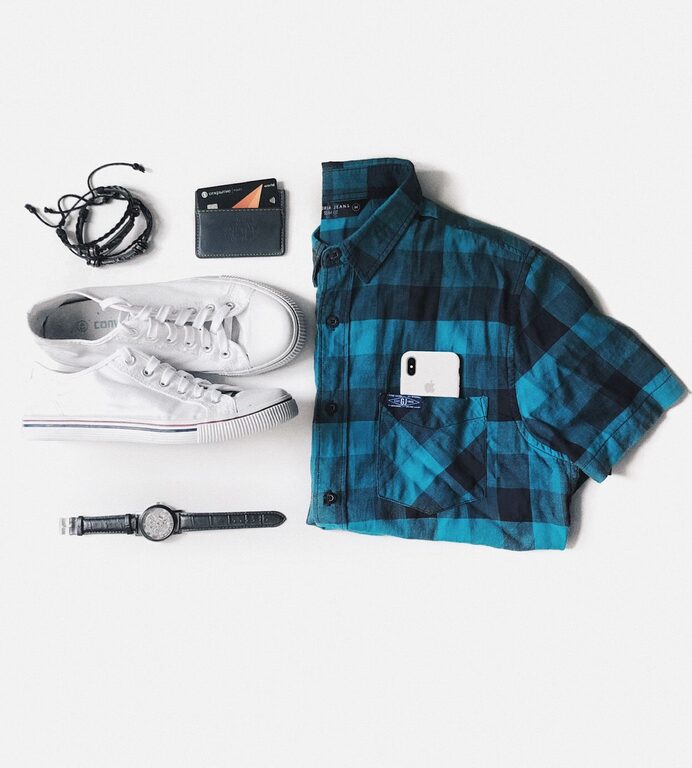
A capsule wardrobe is a coordinated group of clothing, shoes, and accessories. Most pieces can be mixed and matched, allowing you to create different outfits without needing a large wardrobe.
A basic capsule wardrobe often includes:
– Everyday tops
– Comfortable bottoms
– A dress or polished outfit
– A sweater or cardigan
– A jacket or coat
– Casual and dressier shoes
– A few simple accessories
The ideal size depends on your lifestyle. Someone who works from home may need different pieces from someone who works in an office. Your wardrobe should support your real activities rather than an imagined version of your life.
Step 1: Review Your Current Wardrobe
Before buying anything, look at what you already own. Set aside time to try on your clothing and examine each item carefully.
Ask yourself:
– Does it fit comfortably?
– Have I worn it recently?
– Does it suit my current lifestyle?
– Can I create at least two or three outfits with it?
– Is it in good condition?
– Do I enjoy wearing it?
Create three groups:
- **Keep:** Items that fit, feel comfortable, and suit your style.
- **Review:** Items you are unsure about or may need to repair or alter.
- **Remove:** Items that no longer fit, are damaged beyond repair, or do not suit your needs.
You do not need to make every decision immediately. If you are uncertain about an item, place it in a storage box for a month or two. If you do not miss it, you may be ready to let it go.
Step 2: Consider Your Lifestyle
Your capsule wardrobe should reflect how you spend your time. Make a simple list of your common activities and the clothing each one requires.
For example, your list might include:
– Work or school
– Errands
– Relaxing at home
– Exercise
– Social events
– Outdoor activities
– Travel
Think about how much time you spend in each setting. If most of your week is casual, focus on comfortable tops, practical pants, and easy layers. If you regularly attend formal events, include one or two polished outfits that can be styled in different ways.
This step helps prevent common mistakes, such as buying too many formal clothes when you mostly wear casual outfits or collecting special occasion pieces that rarely leave the closet.
Step 3: Choose a Simple Color Palette
A coordinated color palette makes a capsule wardrobe easier to mix and match. Start with two or three neutral colors, such as:
– Black
– White
– Gray
– Navy
– Beige
– Brown
– Denim
Then add one or two accent colors that you enjoy wearing. These could be green, blue, red, pink, or another color that complements your existing clothes.
Your palette does not need to be perfectly limited. The goal is simply to make it easier to combine pieces. For example, navy pants may work with white, gray, blue, and beige tops. A colorful scarf or sweater can add variety without requiring a completely separate set of clothes.
Step 4: Build Around Essential Pieces
Once you understand your needs and preferred colors, identify the essential pieces your wardrobe is missing. Start with versatile items rather than trend-focused clothing.
A basic capsule wardrobe may include:
Tops
– Two or three everyday T-shirts
– One or two blouses or button-down shirts
– One long-sleeve top
– One sweater or cardigan
Bottoms
– One pair of jeans
– One pair of casual pants
– One pair of dressier pants or a skirt
– Optional shorts, depending on the season
Layers
– A light jacket
– A blazer, overshirt, or structured cardigan
– A coat suitable for your local weather
One-Piece Options
– One casual dress
– One outfit for work or special occasions, if needed
Shoes
– Comfortable everyday shoes
– Sneakers or walking shoes
– A dressier pair
– Weather-appropriate footwear
These are only starting points. Add or remove categories based on your routine, climate, and comfort preferences.
Step 5: Focus on Fit and Comfort
A capsule wardrobe works best when you genuinely enjoy wearing the items in it. Pay attention to fit, fabric, movement, and care requirements.
A piece may look attractive in a store but still be impractical if it feels uncomfortable, requires special care, or does not work with your other clothing. Try sitting, walking, reaching, and moving in new items before buying them.
Consider choosing fabrics that match your routine. Easy-care materials may be useful for busy schedules, while breathable fabrics can be helpful in warm weather. The best choices are the ones you can wear confidently and maintain without unnecessary effort.
Step 6: Create Outfit Combinations
After choosing your core pieces, create several complete outfits. Lay items on your bed or take quick photos of combinations that work well.
Try to build outfits for different situations, such as:
– A casual day
– A workday
– A weekend outing
– A cooler day
– A warmer day
– A simple evening look
Notice whether any item is difficult to style. If a top only works with one pair of pants, it may not be as versatile as another option. However, you do not need to remove every unique item. Clothing can still have a place in your wardrobe if it brings you joy or serves an important purpose.
Step 7: Add Personality With Accessories
Accessories can make a small wardrobe feel more varied. They also allow you to express your personality without buying many new clothing items.
Useful options include:
– Belts
– Scarves
– Simple jewelry
– Hats
– Watches
– Totes or handbags
– Colorful socks
For example, the same neutral outfit can look casual with sneakers and a canvas tote, or more polished with a belt, structured bag, and simple jewelry.
Step 8: Shop Slowly and Intentionally
Once you have reviewed your wardrobe, make a list of genuine gaps. Use this list when shopping and avoid buying items simply because they are on sale or currently popular.
Before purchasing something, ask:
– Does it work with at least three items I own?
– Will I wear it regularly?
– Is the fit comfortable?
– Is it suitable for my lifestyle?
– Do I already own something similar?
– Can I care for it properly?
Waiting a few days before buying can also help you decide whether the item is a useful addition or an impulse purchase.
Maintain Your Capsule Wardrobe
A capsule wardrobe is not a one-time project. Review it at the start of each season and make small adjustments. Store heavy coats or warm-weather items when they are not needed, and bring them back when the weather changes.
Repair missing buttons, replace worn laces, and wash clothing according to its care instructions. Regular maintenance helps your favorite pieces last longer.
Remember that your wardrobe can change as your work, hobbies, body, climate, or personal style changes. The goal is not perfection. A successful capsule wardrobe is one that makes getting dressed simpler, more comfortable, and more enjoyable.