
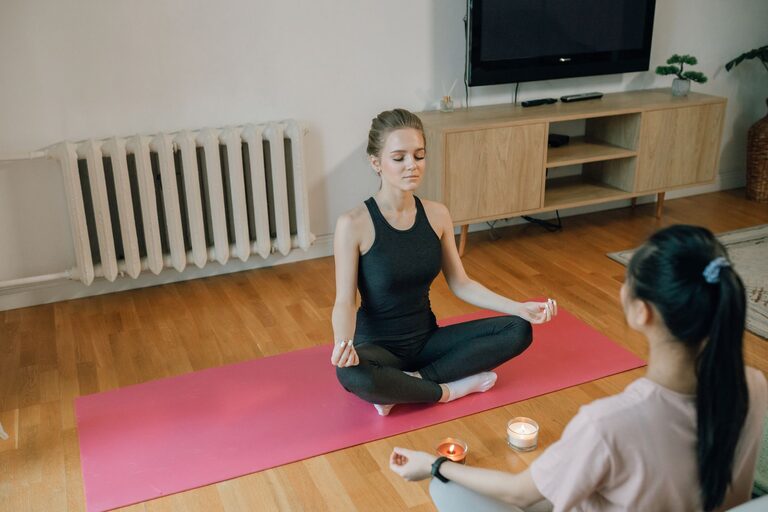
Mindful breathing breaks are simple pauses that bring your attention back to the present moment. Instead of moving from one task to the next without stopping, you take a few minutes to notice your breathing and relax your focus.
These breaks do not require special equipment, a quiet retreat, or a large amount of time. You can practice them at your desk, before a meeting, during a commute, or while waiting for an appointment. With regular practice, mindful breathing can become an easy way to create space in a busy day.
What Is a Mindful Breathing Break?
A mindful breathing break is a short period of intentional attention. You notice the natural rhythm of your breath without trying to make it perfect. When your thoughts wander, you gently return your attention to breathing.
The goal is not to empty your mind. Thoughts, sounds, and distractions are normal. The practice is simply to notice what is happening and come back to the present.
A breathing break may last:
– One or two minutes between tasks
– Three to five minutes during a workday
– Ten minutes when you have more time
– A few slow breaths before an important activity
Even a brief pause can help you shift from automatic action to more deliberate attention.
Start With a Realistic Goal
Beginners often make the mistake of setting an overly ambitious goal. Planning to practice for 20 minutes every morning may sound inspiring, but it can be difficult to maintain when your schedule changes.
Start with a goal that feels easy to repeat. For example, try one minute of mindful breathing once a day. After that becomes familiar, you can gradually extend the practice if you wish.
A useful starting plan is:
- Choose one regular time.
- Practice for one to three minutes.
- Repeat the routine for a week.
- Adjust the length or timing based on your experience.
Consistency matters more than duration. A short practice that you repeat often is usually more useful than a long session that happens only once.
Choose a Comfortable Setting
You can practice mindful breathing almost anywhere, but a comfortable setting may make it easier to begin. Choose a place where you can pause without needing to respond immediately to another task.
Possible locations include:
– A chair at your desk
– A quiet corner at home
– A park bench
– Your car before entering a building
– A waiting area
– The edge of your bed
Sit in a position that feels steady and relaxed. You can keep your feet on the floor, rest your hands in your lap, and allow your shoulders to soften. There is no need to sit in a special pose.
If closing your eyes feels uncomfortable, keep them open and lower your gaze. Mindful breathing should feel practical and accessible, not like a performance.
Use a Simple Breathing Practice
A basic breathing break can be very simple:
- Pause and notice that you are taking a break.
- Feel your feet on the floor or your body supported by the chair.
- Notice the movement of your breath.
- Follow one slow inhale.
- Follow one slow exhale.
- Repeat for several breaths.
- Notice how you feel before returning to your activity.
Try to let the breath remain natural. You do not need to breathe deeply or force a particular rhythm. If it feels comfortable, you can allow the exhale to be slightly longer than the inhale, but this is optional.
The most important part is attention. Notice where you feel the breath, such as the nose, chest, ribs, or belly. Choose one area and use it as an anchor for your awareness.
Expect Your Mind to Wander
A wandering mind is not a sign that you are doing the practice incorrectly. You may think about a message you need to send, a conversation from earlier, or a task waiting for you. You may also notice a sound, an itch, or a change in your posture.
When you realize your attention has moved away, try this gentle process:
– Notice where your attention went.
– Name it quietly, such as “planning,” “remembering,” or “hearing.”
– Return to the next breath.
There is no need to criticize yourself. Each return is part of the practice. In fact, noticing that your mind wandered and coming back is one of the main skills you are building.
Connect Breathing Breaks to Daily Habits
A new habit is easier to remember when it is connected to something you already do. This is sometimes called habit pairing. Attach your breathing break to a regular event in your day.
You might practice:
– After making your morning coffee
– Before opening your email
– Between two meetings
– After lunch
– Before starting your commute
– While waiting for a webpage to load
– Before turning off the lights at night
You can also use ordinary transitions as reminders. Whenever you move from one room to another, finish a phone call, or complete a task, take one mindful breath before continuing.
Small reminders can help. Place a note near your computer, set a gentle timer, or use a calendar prompt. Once the habit becomes familiar, you may no longer need a reminder.
Try a One-Minute Breathing Break
A one-minute practice is useful when you are busy or new to mindfulness.
First 15 seconds: Arrive
Pause what you are doing. Feel your feet, hands, or the surface supporting you. Let your attention settle on the present moment.
Next 30 seconds: Notice the breath
Observe each inhale and exhale. Notice whether the breath feels smooth, quick, shallow, or deep. Avoid judging what you notice.
Final 15 seconds: Reconnect
Take in your surroundings. Notice one sound, one physical sensation, and one thing you can see. Then return to your next activity with a little more awareness.
This short exercise can be practiced almost anywhere and does not require complete silence.
Use Breathing Breaks During Transitions
Transitions are natural opportunities to pause. Instead of rushing immediately into the next activity, use a few breaths to mark the change.
For example, after finishing a work task, take three breaths before opening a new file. Before answering a call, feel your feet and notice one full breath. When arriving home, pause at the door and give yourself a moment to shift your attention.
These small pauses can help separate different parts of the day. They also make mindfulness feel less like a separate chore and more like a practical part of daily life.
Be Flexible and Kind to Yourself
Not every breathing break will feel calm. Some days your attention may be scattered, and other days you may feel impatient. That is normal. The purpose is not to create a perfect mood each time.
If focusing on your breathing feels uncomfortable, try placing your attention on another neutral experience, such as:
– The feeling of your feet on the ground
– The sounds around you
– The movement of your hands
– The sensation of air on your skin
You can also shorten the practice or stop and return to your regular activity. Choose an approach that feels steady and comfortable for you.
Make It a Sustainable Routine
After practicing for a week or two, consider what worked well. Ask yourself:
– When was it easiest to pause?
– Did a reminder help?
– Was one minute enough?
– Did I prefer practicing alone or during a transition?
– What made the practice difficult?
Use your answers to refine the routine. You may discover that short breaks in the afternoon work better than a longer session in the morning. There is no single correct schedule.
The best mindful breathing practice is one you can use regularly. Begin with one quiet minute, notice the next breath, and allow the habit to grow naturally. Over time, these brief pauses can become simple reminders to slow down, refocus, and meet the next part of your day with greater awareness.